
Overview
Welsh Grassland Trial: Foliar Feeding vs Conventional Nitrogen Over Three Years
Welsh Grassland Trial: foliar vs conventional nitrogen, three years
Comparable grass on a lot less nitrogen. It’s the best independent trial we know of on this, run by EIP Wales across four dairy farms, government backed, three years of it. The full report’s linked at the bottom and it’s worth the read.
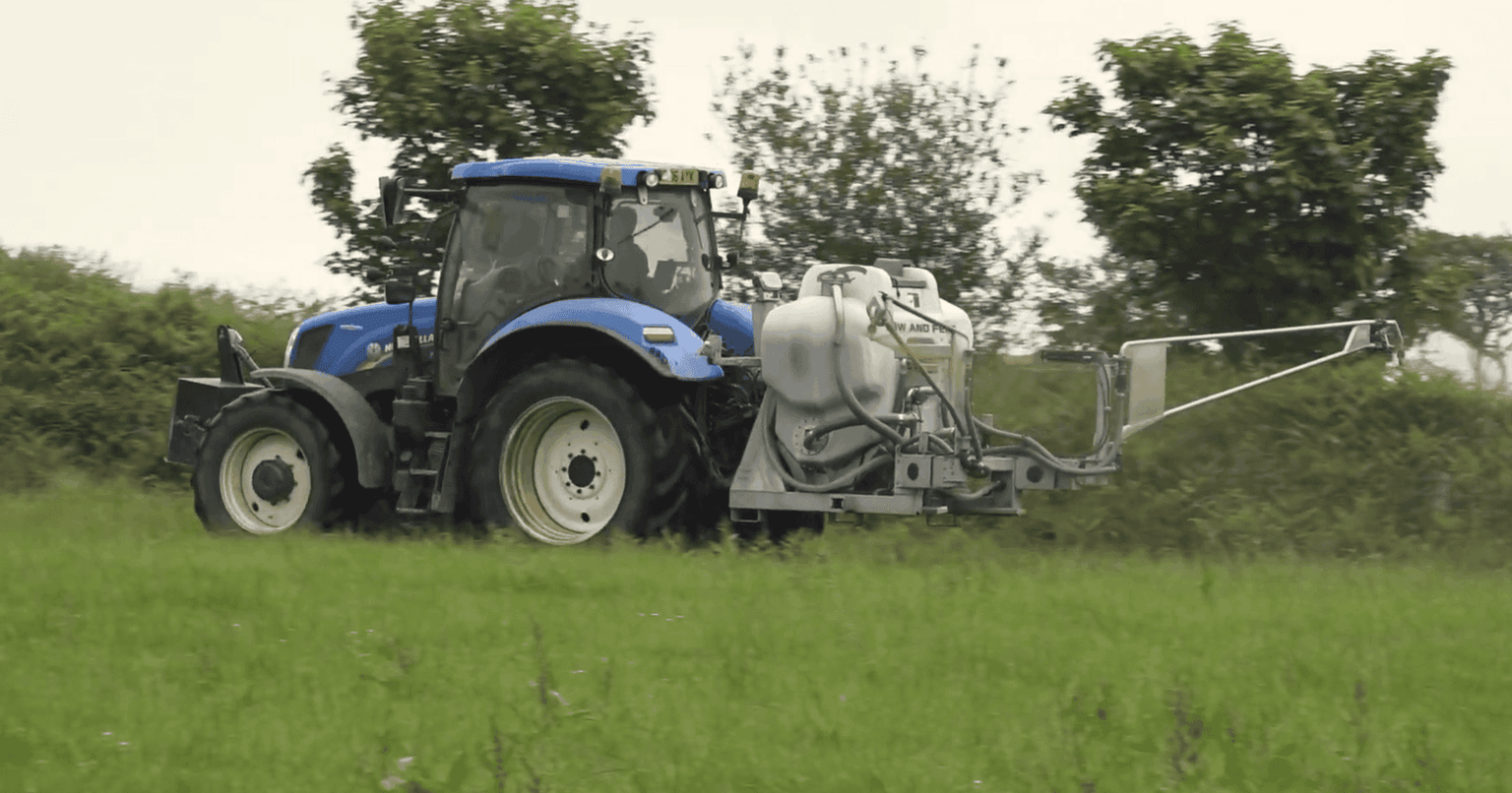
Each farm split a field three ways. One plot got conventional prilled nitrogen every 21 days, one got a foliar mix of urea and humic acid on the same schedule, and one got nothing at all. Same grazing, same timing, same stock across the lot. It was one plot per treatment per farm, so it’s a proper on-farm demonstration rather than a replicated trial with the statistics to match, and the report says as much.
By year three they were putting on 8 to 10 units of foliar nitrogen every 21 days and growing about the same dry matter as the conventional plots on 40 to 50% of the nitrogen. That held at three of the four grazed sites.
The fourth site didn’t. On one farm the foliar plots didn’t keep up in year three, and the report doesn’t hide it, so we won’t either. Three out of four is a real result. It just isn’t four out of four, and anyone who tells you these things work everywhere every time hasn’t read many trials.
In the cool spring of 2019 the foliar plots outgrew conventional right through to the end of April, and in the dry spring of 2020 foliar came out ahead at two sites. The report’s careful about why. It reckons leaf uptake isn’t sitting around waiting on warm, wet soil the way granular is, but it puts that forward as something worth chasing rather than a proven rule. Any farmer who’s watched a paddock through a dry September will know the shape of it though.
The foliar plots also carried more clover than the conventional ones, on less nitrogen. A good chunk of that is just the lower rate, nitrogen off the bag suppresses clover and these plots had less going on. How much of the rest is the foliar itself, the trial can’t really tell you, and it doesn’t pretend to. What you can say is the combination showed up: less nitrogen, put on this way, more clover in the sward. Some of that grass grew on nitrogen nobody paid for. The researchers said it was worth a closer look and left it there.
The foliar inputs and the spraying cost more per kilogram of nitrogen than prilled urea does, and the trial was straight about that. But you’re putting a lot less nitrogen on, and getting comparable grass, so the cost that actually counts, nitrogen cost against the milk produced, came out lower. On average it worked out 39% lower per litre of extra milk in the foliar systems. That’s their figure, and it’s an average of a wide spread, it ran from 18 to 89% across the sites and years, and the report’s clear it depends on fertiliser and milk prices at the time, which were early 2022. The dearer input more than paid for itself in most cases. By how much swung a lot farm to farm.
This was Wales. The way a leaf takes up nitrogen doesn’t change from one country to the next, but the rates and timings and what you put in the tank are a conversation for you and an agronomist who knows this stuff. What carries straight over is the efficiency finding and the way it behaved when it went cold or dry.
The full report’s below if you want to go through it yourself.