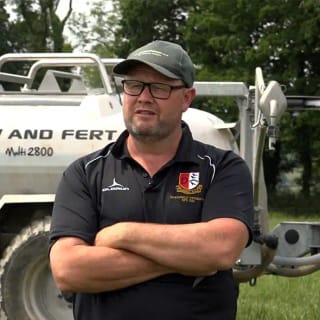
James Hughes
Carmarthenshire, Wales
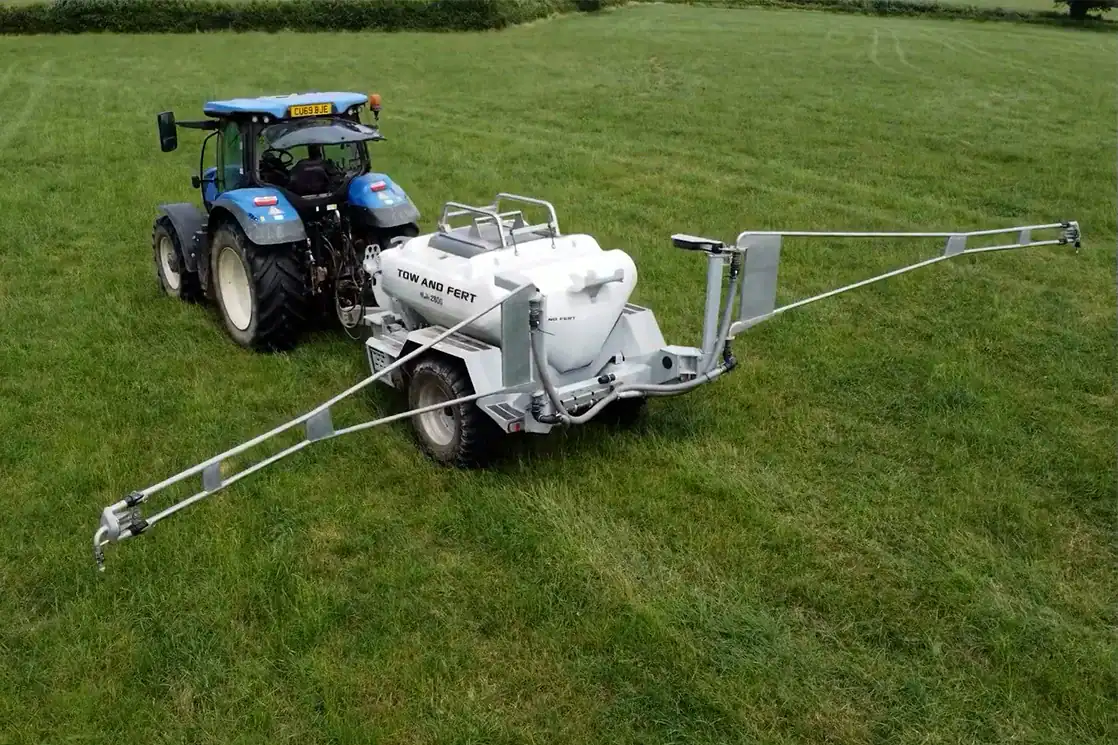
This story reflects one farmer’s own experience with their Tow and Fert. Every farm is different, so please treat it as a story rather than a forecast for your place.
James Hughes: cutting nitrogen costs with foliar application in West Wales
James Hughes has always believed that grass is the most valuable crop on his farm.
Running almost 700 spring-calving dairy cows across two grazing units in West Wales, his focus has always been simple: grow as much quality pasture as possible and do it as efficiently as he can.
“Our aim is to grow as much grass as we can, and we just happen to have dairy cattle on the farms to turn that grass into money.”
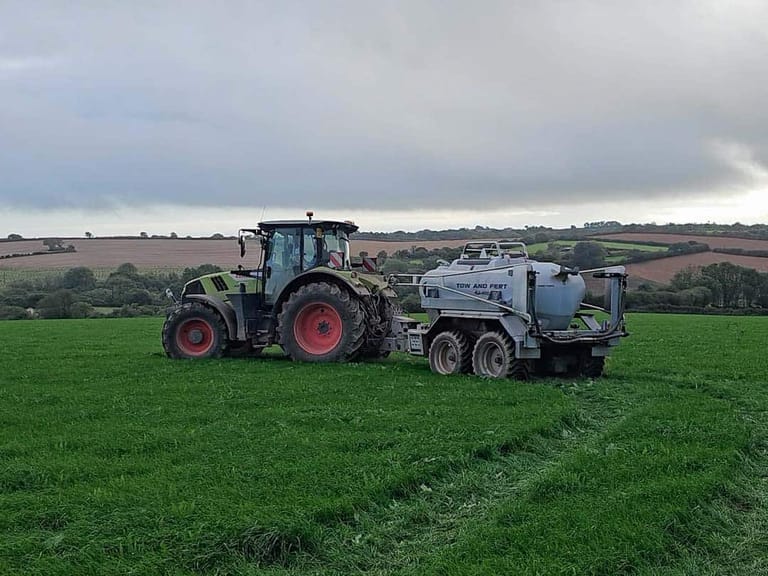
James was looking for ways to improve nitrogen efficiency long before fertiliser prices reached record highs. After learning more about foliar nutrition through his discussion group, he decided to introduce a Tow and Fert system as part of the farm’s nutrient programme.
The change wasn’t about abandoning fertiliser. It was about applying it differently.
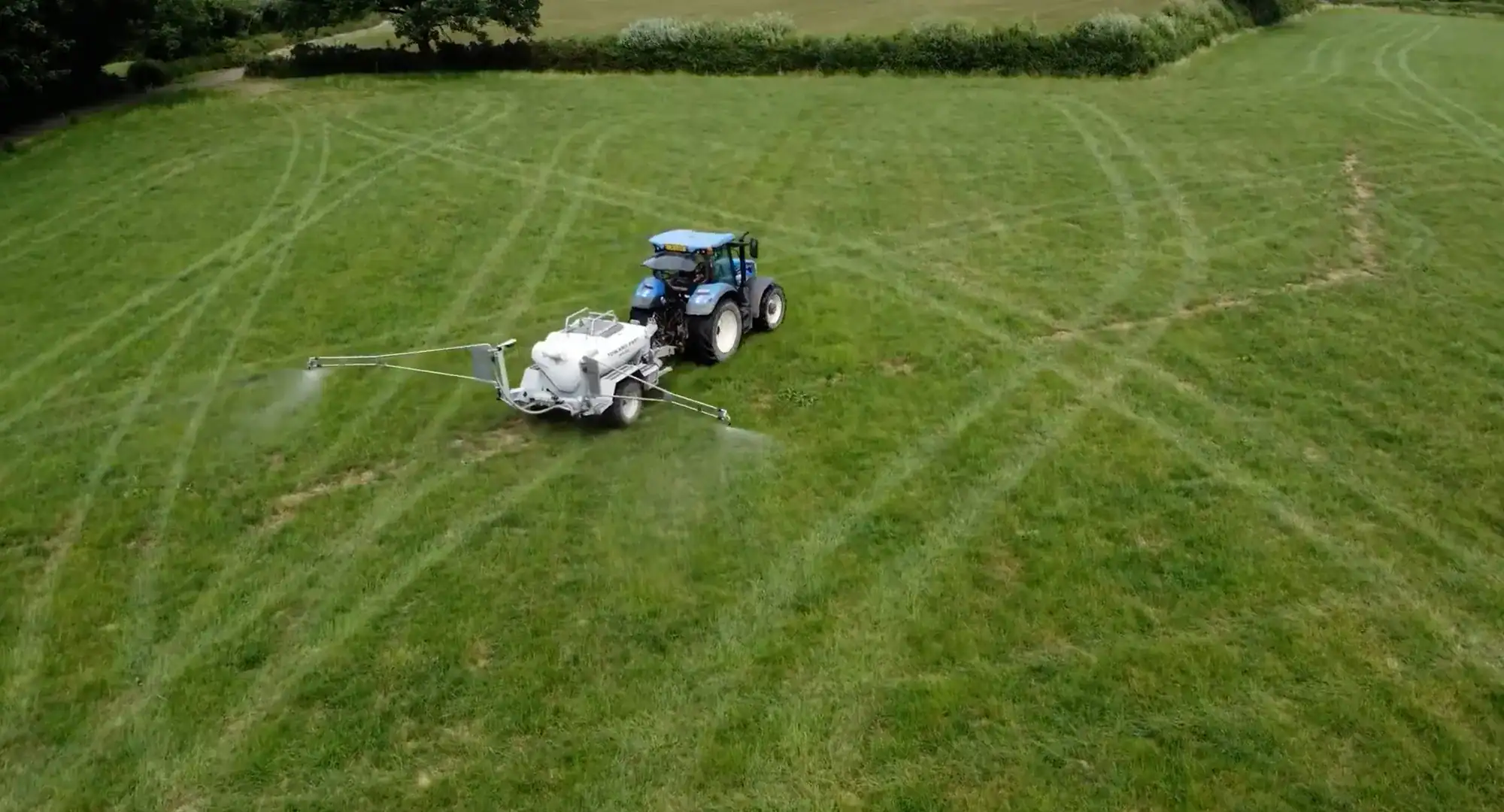
“Foliar feeding is applying the fertiliser to the leaf, as opposed to broadcasting it onto the ground. The plant absorbs it.”
Over the past few seasons, that approach has become a key part of how the farm manages nitrogen.
“We’ve cut down nitrogen use by half in the last three or four years. And part of that is due to the Tow and Fert machine.”
James told us the farm had already brought nitrogen down from around 40 kg of nitrogen per hectare per grazing round to 30 kg before the Tow and Fert arrived, and that he didn’t see a change in pasture performance over that drop. Since adopting the Tow and Fert system, he says applications have come down further, to around 18 kg of nitrogen per hectare per round.
“But we’re down to 18 kilos of nitrogen now using the Tow and Fert machine.”
Alongside lower application rates, James believes the farm is simply making better use of the fertiliser it applies.
“We seem to find there’s a 30% reduction in the amount of fertiliser we need to apply. We’re not getting the losses that we would be applying onto the soil.”
Thinking about Tow and Fert?
Talk with a specialist
Tell us about your operation and we’ll match the right model and setup for you.
Those savings became particularly noticeable when fertiliser prices increased.
“I think it more or less paid back for itself in the first year, but last year with elevated fertiliser prices.”
“So we saved two loads of urea, which would pretty much pay for the machine.”
The Tow and Fert has also fitted easily into the farm’s existing grazing management. Rather than changing the rotation, James simply applies nutrients after grazing once there is enough leaf for effective foliar uptake.
“We tend to follow the cows that we’d be applying the fertiliser to every 25 days anyway. So we’re keeping the same system and doing that with this machine.”
Preparing the machine has also proven straightforward.
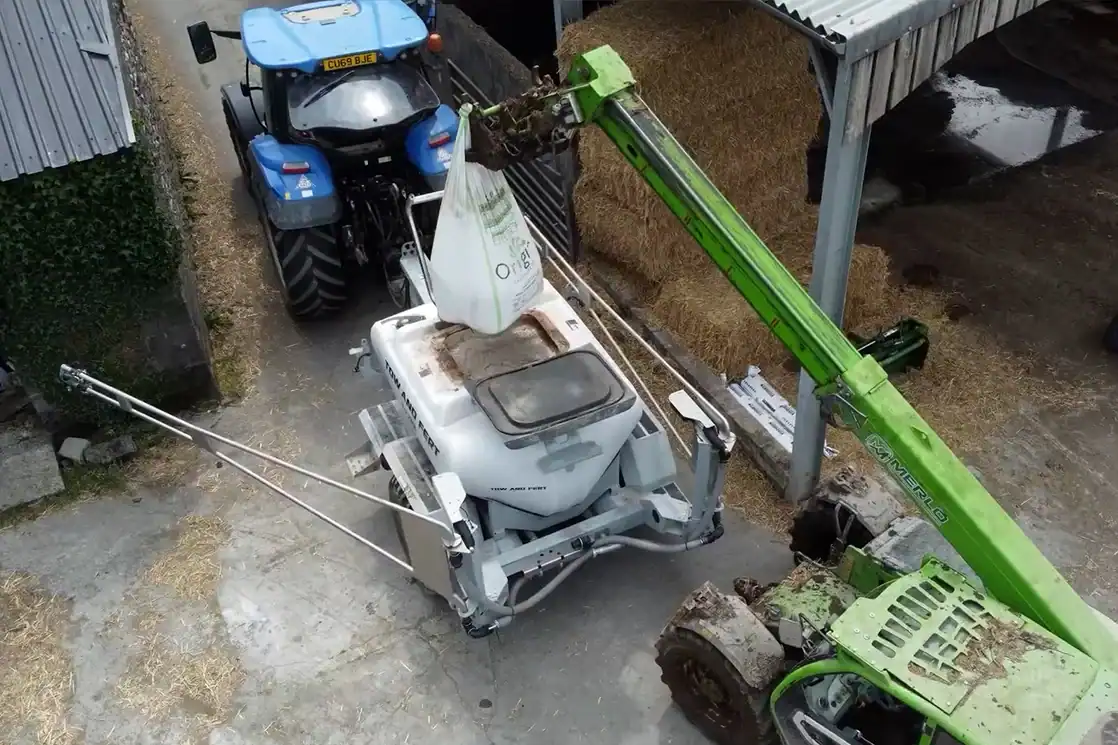
“The filling doesn’t take a long time… It’s a pretty basic machine. Quarter hour and you’re ready to go.”
Looking back, James believes changing the way the farm applies fertiliser has been just as important as reducing how much it uses.
“We’ve come from a history of, if in doubt, chuck fertiliser out. It was cheap food, but that is not environmentally friendly and it’s not such a cheap food anymore.”
Today, his focus remains exactly where it has always been: producing as much grass as possible while making every kilogram of fertiliser work harder.
“Growing grass is our business. So we’re doing it cheaper this way.”
“I think the more we use it the more savings there are to be had.”
Every farm’s different, and James’s numbers are his own.